
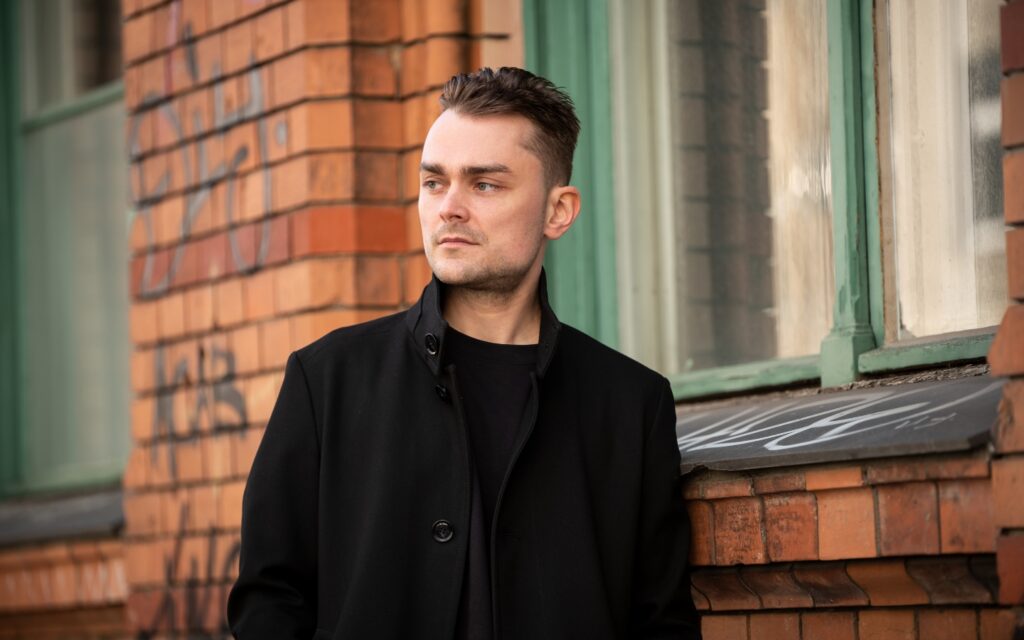
The celebrated conductor Jakob Lehmann makes his Tafelmusik debut directing Beethoven & Farrenc in our thrilling season opener Sept 25–27 at Koerner Hall.
Held in high regard for his performances of Classical and Romantic repertoire informed by historical approaches, Lehmann is known in both the symphonic and operatic worlds for emotionally sincere music-making that is “singularly seductive” (Avant-Scène Opéra) and “vigorously shakes up our listening habits” (Classica).
“Lehmann sets out to free the work from the weight of tradition and bring it closer to [the composer’s] original vision…The result is as surprising as it is convincing…[it] does full justice to the work.“ – Ôlyrix
In Tafelmusik’s 2026/27 season opener, Lehmann will direct performances reuniting two brilliant composers of the early Romantic era. The program features Ludwig van Beethoven’s beloved Symphony no. 7 alongside Louise Farrenc’s stunning Symphony no. 3. While Tafelmusik is renowned for its performances and recordings of Beethoven’s complete symphonies, this will be the orchestra’s premiere performance of Farrenc’s 3rd symphony alongside Beethoven’s iconic work.
We sat down with Lehmann to chat about this special program, his musical background, and how he likes to replenish.
Beethoven’s 7th symphony is a revered work. Its second movement has been heard in everything from The King’s Speech to the fall of the Berlin Wall. What do you find to be special about this piece? Do you have favourite moments?
What always strikes me about this piece is how physical it is in its rhythmicity: those intense tutti clashes and finely branched dancy structures of the first movement; the inevitable, fatalistic pull of the second, and bouncy electricity of the third movement; and finally, the obsessive, boisterous finale that borders on the grotesque. This symphony never lets loose; it never stands still—and neither the musicians nor the listeners can escape it for even a second.
Louise Farrenc’s 3rd symphony premiered to critical acclaim alongside Beethoven’s 5th in 1849, but was subsequently forgotten in the annals of music history. Farrenc was very well respected in her time, and Tafelmusik is thrilled to perform this symphony. How would you describe this piece to someone who has not heard it before?
It’s an entirely personal, atmospheric, at times gloomy, at times fantastical piece with its own distinct, characteristic voice of a composer at the height of her craft. Our brains tend to look for familiar things and compare unfamiliar music to what we’ve heard before. On the contrary, I would invite the audience to listen with completely fresh and impartial ears; it is worth it!
19th-century period performance is a relatively new and exciting field of discovery. What has informed your understanding of 19th-century performance practice?
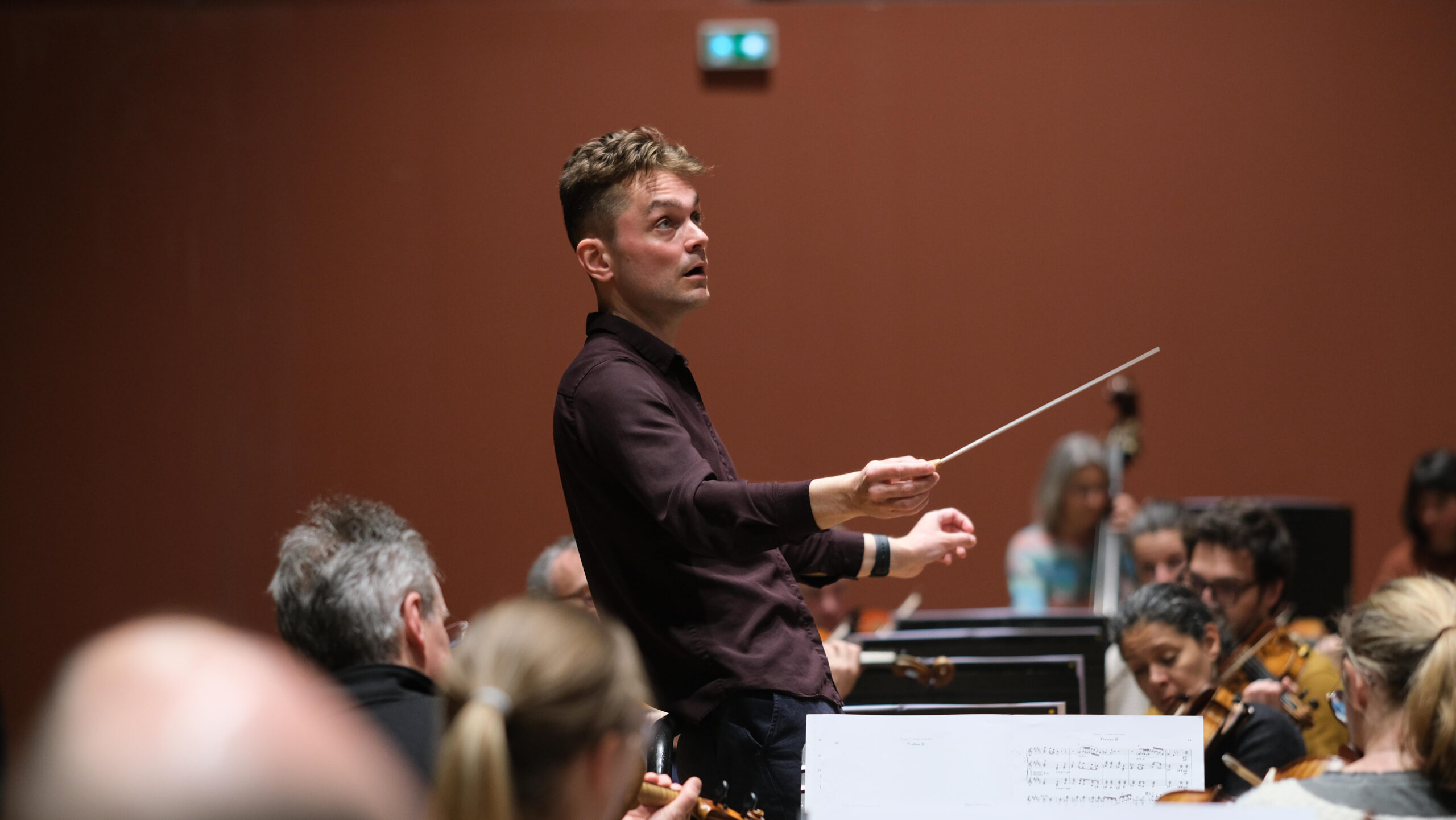
Working with people who are devoted to the ongoing research and exploration of this field is priceless. Will Crutchfield and Clive Brown, to name only two of the most influential to me, have inspired and encouraged me to never cease to look for the unexpected, unfamiliar, and striking in music that questions one’s listening expectations. Looking at sources like historical performance material, treatises, letters, and especially early recordings made before the invention of the microphone is very important to me and has shaped my musical interpretations. Throughout my years as a violinist, working as a concertmaster and a chamber musician, I got to experiment with and try out many playing techniques and stylistic devices firsthand, so I’m very glad this is now also part of my work as a conductor.
Encouraging an orchestra to try out elements such as portamento, tempo flexibility, or different bowing techniques is one of my favourite things. This is especially true in an environment where there is a positive readiness to explore, which I am certain is the case with Tafelmusik, as my conversations with some of the musicians have already shown.
An overture by 19th-century composer Sophie Gail opens the program. Why do you think it’s important to broaden historical awareness? How do you learn about neglected composers who deserve to be heard?
For me, it is incredibly important to discover unfamiliar music. At the end of the day, the repertoire we know is only the tip of the iceberg, and looking at everything else that is out there can only broaden our horizons and put more familiar composers and works into context. We wouldn’t really understand how revolutionary a composer like Beethoven was, or how distinctly personal someone like Farrenc was, if we didn’t have anything to compare them to.
Gladly, I enjoy digging into things like these, and doing my own research has always been a hobby of mine! In the case of Gail, it was actually Alexandre Dratwicki of Palazzetto Bru-Zane who recommended this piece. He has encyclopedic knowledge of the French repertoire of this time, and I specifically asked him to suggest a work that would fit our program and orchestration. I’m intrigued to share this discovery with our audience!
Do you recall when you first played a period-appropriate violin? What was appealing about it?
I do recall the feeling—that unique combination of earthiness and immediacy in sound, almost as if you’ve scratched away some filters from the physical sensation of music-making.
What are some of your interests outside of music that people might be surprised to know about?
I am what you could very safely and appropriately call a total nerd—most of my time (and brain space!) is devoted to music. Not necessarily always the works that I’m conducting that week, but often things that I will be doing in the coming years that I’m excited to research.
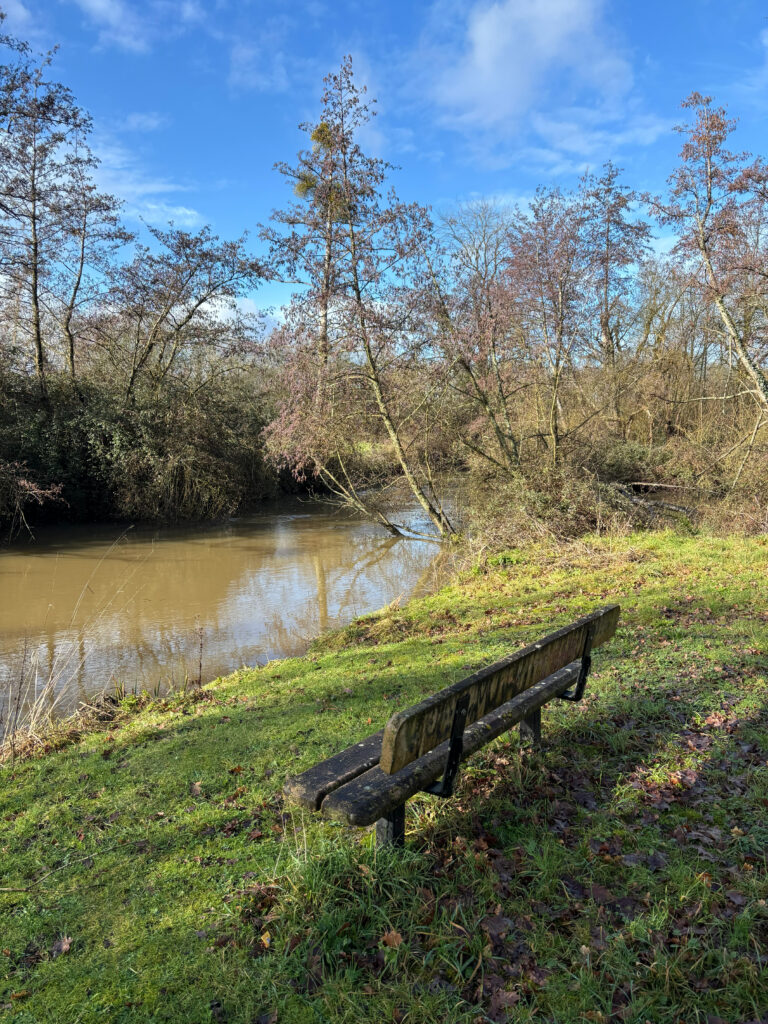
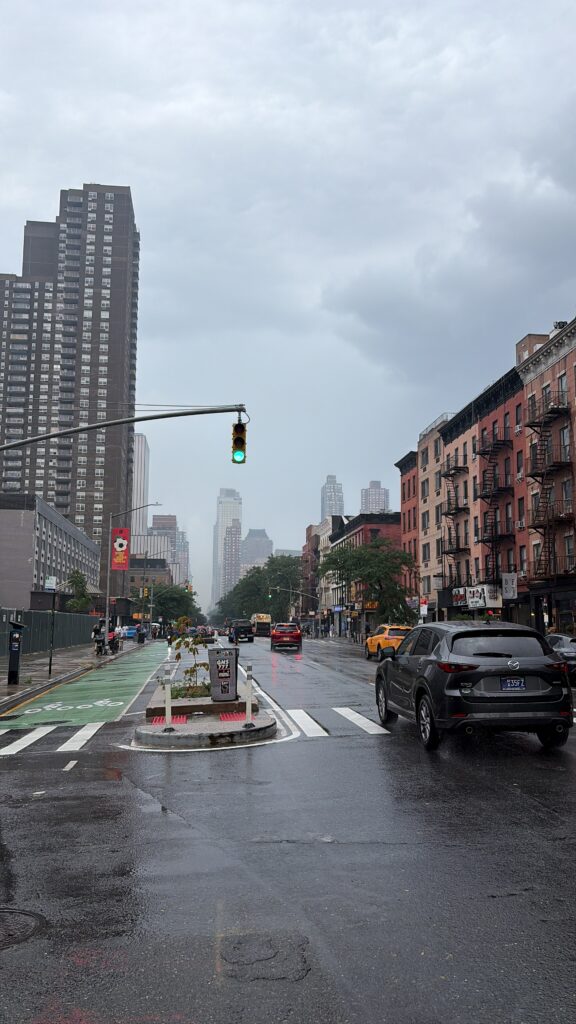
Apart from this, I do enjoy being outside as much as I possibly can. I’m not sure that walking counts as a hobby, but if so, it certainly is one of mine. As musicians, we spend so much time indoors (and often in the dark or under artificial light) that daylight is something I crave. Whenever I’m working somewhere, I try to avoid public transport and walk or cycle everywhere, as you get to see so much more of a place. So, I’m quite looking forward to walking and cycling around Toronto when I’m not in rehearsal!
Photos from Jakob’s walks

Beethoven & Farrenc
Tafelmusik’s 2026/27 Season opener Beethoven & Farrenc is devoted to two mavericks of their era, featuring Beethoven’s revered Symphony no. 7 and Farrenc’s Symphony no. 3. Jakob Lehmann makes his Tafelmusik debut. Secure your tickets today.
September 25–27, 2026
Koerner Hall, TELUS Centre
