
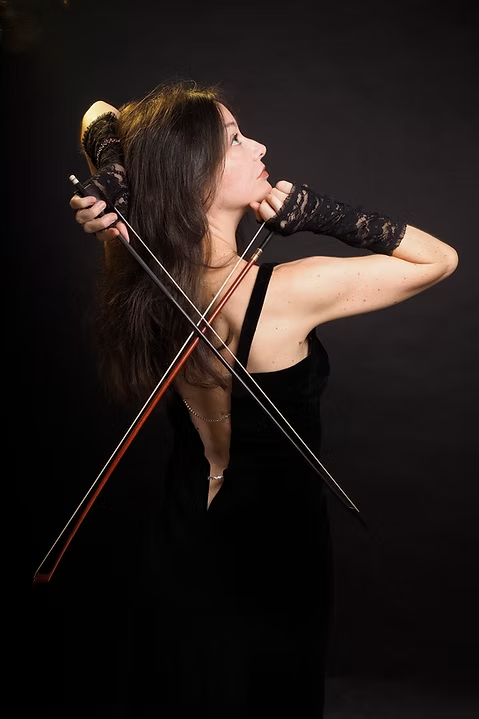
The dynamic Spanish violinist Lina Tur Bonet returns as guest director with Tafelmusik in Baroque Fiesta from Oct 29 to Nov 1 at Jeanne Lamon Hall.
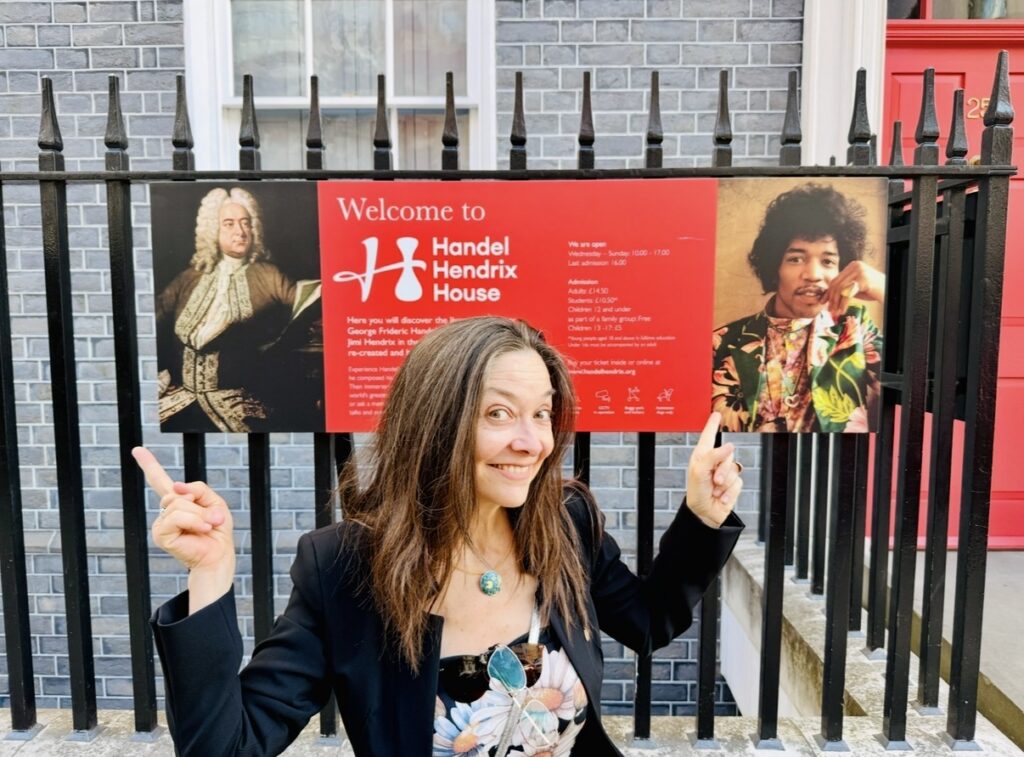
Applauded for “honest and heartfelt music-making” (Gramophone) and described as “the Jimi Hendrix of the baroque violin” (Musicweb International), Lina has appeared as a soloist and guest director with orchestras around the world. She serves as concertmaster of Jordi Savall’s Le Concert des Nations, and founded MUSIca ALcheMIca, an ensemble that has performed across Europe, the Americas, and Japan in collaboration with artists from a wide range of disciplines.
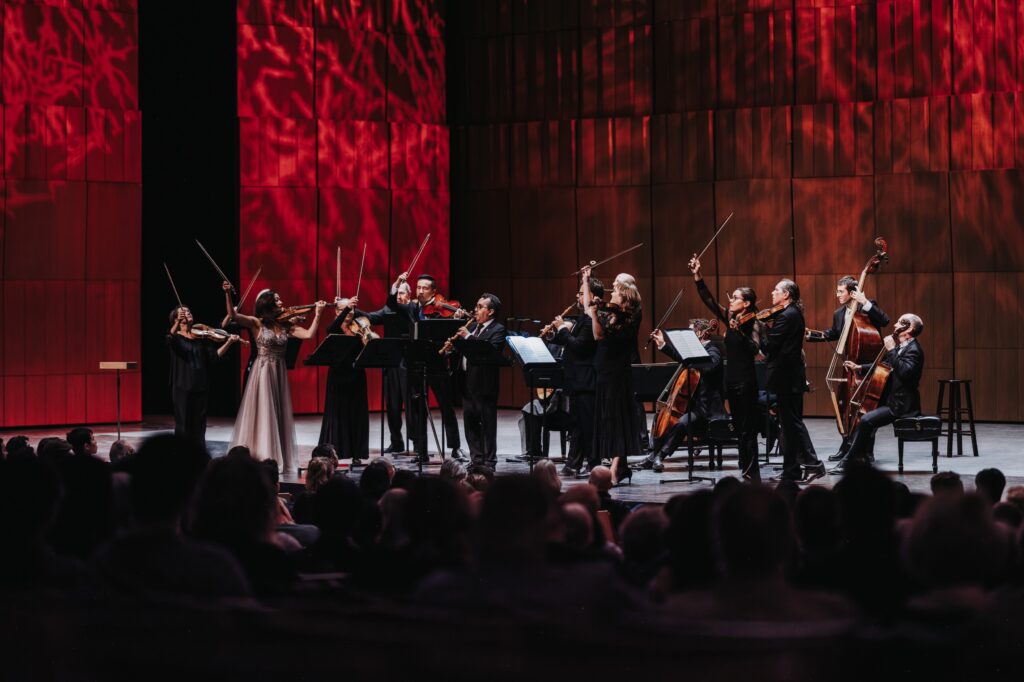
Tafelmusik’s next program, Baroque Fiesta, follows thrilling performances with Lina in Toronto and Ottawa last fall. Selections are now available to enjoy on Tafelmusik’s YouTube channel.
After exploring innovative 17th-century music with Tafelmusik in 2024 and 18th-century gems by Vivaldi, Geminiani, and Zelenka in 2025, we sat down with Lina to talk about our next program, a fascinating exploration of baroque music from Spain, Italy, and Latin America. We also chatted with her about the lure of the baroque violin and what we might be surprised to learn about her.
As a native of Ibiza, Spain, it’s particularly fitting for you to share music from Spain with our audience. What do you hope that listeners will discover about Spanish baroque music?
I believe our music truly mirrors the vibrant spirit, warmth, and sunny climate of our culture, capturing our innate spontaneity and love for celebration. Through Spanish baroque music, I hope listeners discover that this repertoire is deeply expressive, full of rhythm, and alive with the same passionate energy that defines Spanish life today.
Ultimately, I want our audience to hear how historical Spanish music pulses with a unique social warmth and theatrical flair, inviting everyone to connect with its joyful vitality. By sharing these rich sounds, I hope to show that our musical heritage is an ongoing celebration of community and the art of truly enjoying life.
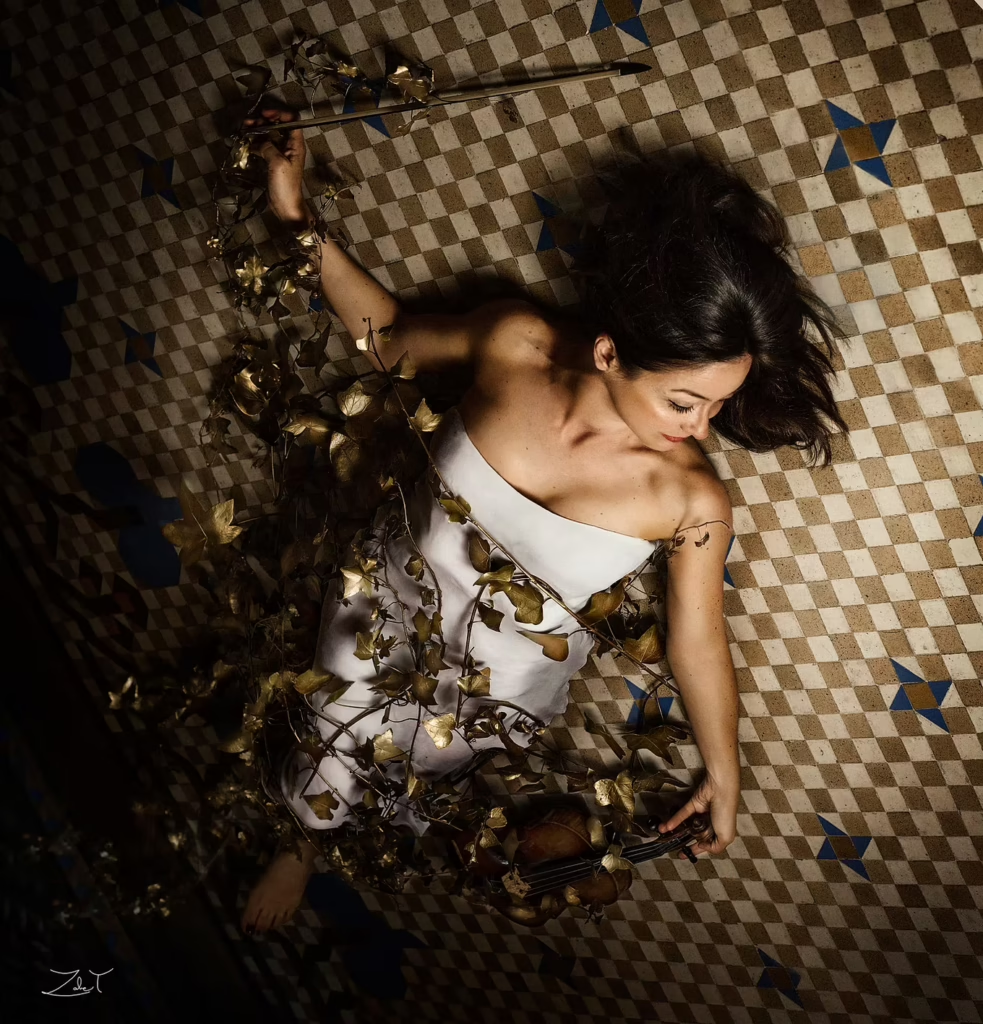
In this program, Tafelmusik audiences will have an opportunity to hear a fandango that you improvise. Can you tell us a bit about your approach to improvisation with this kind of repertoire in particular?
I absolutely love to improvise, and as a Spaniard, I feel like the fandango is truly in my blood! When I was a child, I studied dance and spent years immersed also in Spanish dance and flamenco, which deeply shaped my musical roots.
Historically, the fandango was a wildly popular activity. Back then, violinists frequently improvised on fandangos—much like they did with folías—and we can still find numerous anonymous fandango manuscripts preserved in libraries all across Europe. In its time, it was considered the height of sophistication and a true crowd-favorite, carrying that unmistakable, deeply captivating touch of Spanish sensuality.
Tafelmusik audiences will be treated to music not only from baroque Spain but also from Italy and Latin America. Can you tell us about your experience with South American music?
I have been fortunate to travel and perform in most of South America, sharing the stage with local musicians along the way. South American music infuses rhythmic richness with a profound warmth and vibrant joy in artistic expression. You can truly see and feel the love and care in how they approach arts, including paintings and crafts, and it’s something that always touches me on a deep level.
After years of wonderful experiences—from performing in renowned theaters in Buenos Aires to researching the rich baroque library in the jungle of Chiquitos—I was delighted to be invited to collaborate with Tafelmusik in the development of this fantastic program. It brings together cultures that I feel are intimately intertwined as sisters.
For this program, Tafelmusik bassist Jussif Barakat is arranging two pieces from the Codex Martinez Compañón, a collection of baroque music from Peru. Have you performed music from this collection before? What do you find fascinating about it?
Yes, I have performed music from this collection on previous occasions.
What I find most fascinating about the Codex Martínez Compañón is how it serves as an interesting, living window into the musical and cultural melting pot of 18th-century Peru. Compiled by Bishop Baltasar Jaime Martínez Compañón during his pastoral visits, the collection preserves a unique intersection of Spanish baroque traditions with Indigenous and Peruvian rhythms and instruments. Playing these pieces feels like stepping back in time—they capture a rare, joyful energy and a depth of cultural heritage that you rarely encounter.
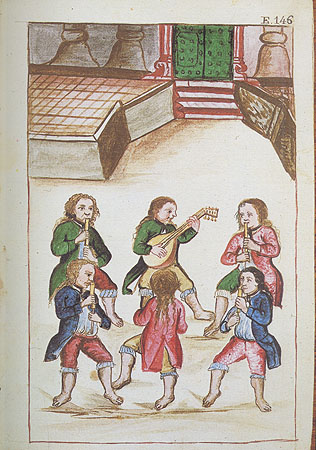
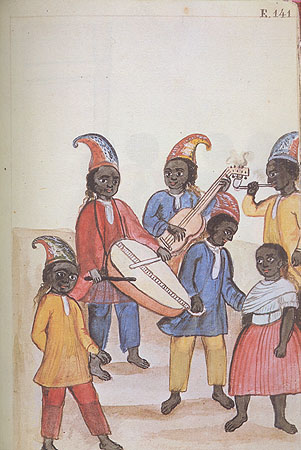
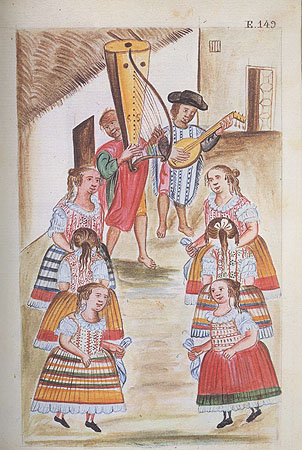
Images from Codex Martínez Compañón
You have described playing the baroque violin for the first time as life-changing, saying, “As soon as I played it, something inexplicable moved inside me—I will never forget the feeling!” Can you tell us more about this? What do you find to be special about the baroque violin?
That absolute authenticity is precisely what makes it so powerful. Even though it is hard to put into words, that unique connection comes down to a few extraordinary qualities that set the baroque violin apart.
Without modern steel strings or a chinrest, the instrument feels completely alive in your hands, vibrating directly against you with a raw, organic voice. Playing without modern constraints invites a completely different relationship with the music—one defined by expressive gut strings, historical bows, and rhetorical phrasing rather than standardization.
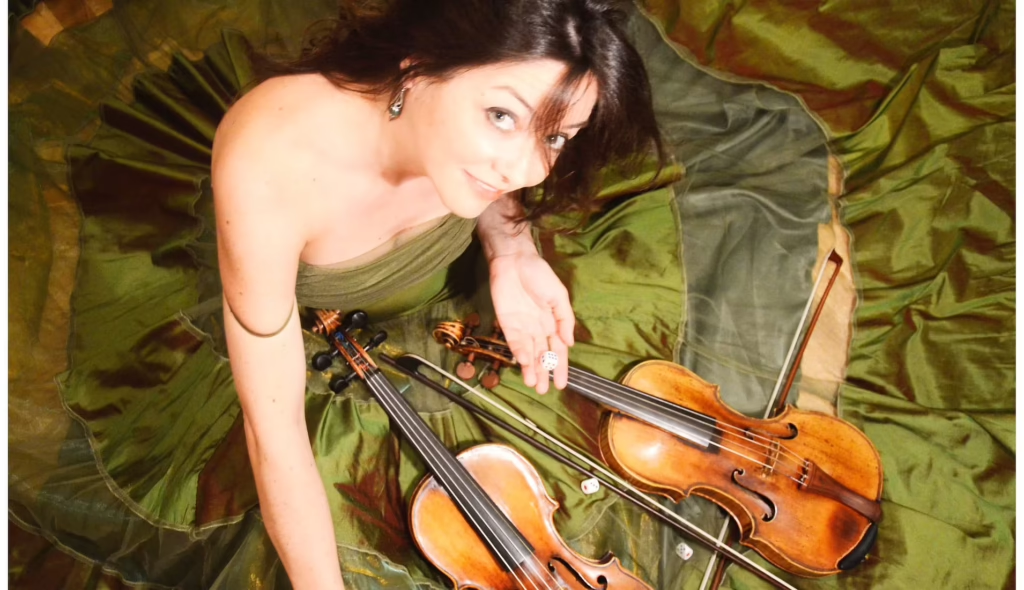
Lina with baroque and modern violins
What is something that we might be surprised to learn about you?
Here is something surprising about me: despite being super energetic, fast-paced, and always on the move, I actually love quiet moments. I really enjoy sewing, and I have a deep love for plants and trees. Since I was a child, I’ve loved spending time just sitting in silence and observing the world around me. People usually find this hard to believe because they see me doing a million things in very little time!
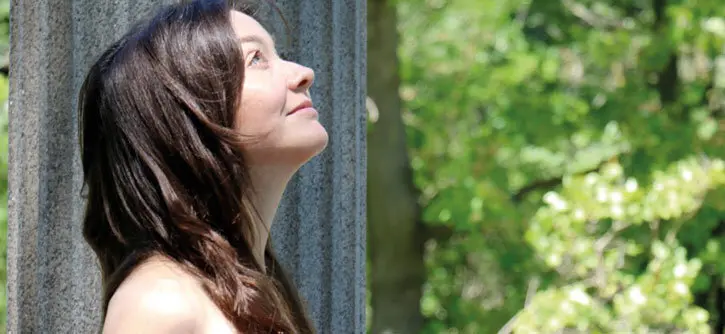
Lina in nature
How do you like to let loose and have fun?
To have fun and recharge, I’m all about good company, dancing, running, and traveling to new places. But my favourite thing is embracing the unexpected, breaking out of my routine, and learning something completely new.
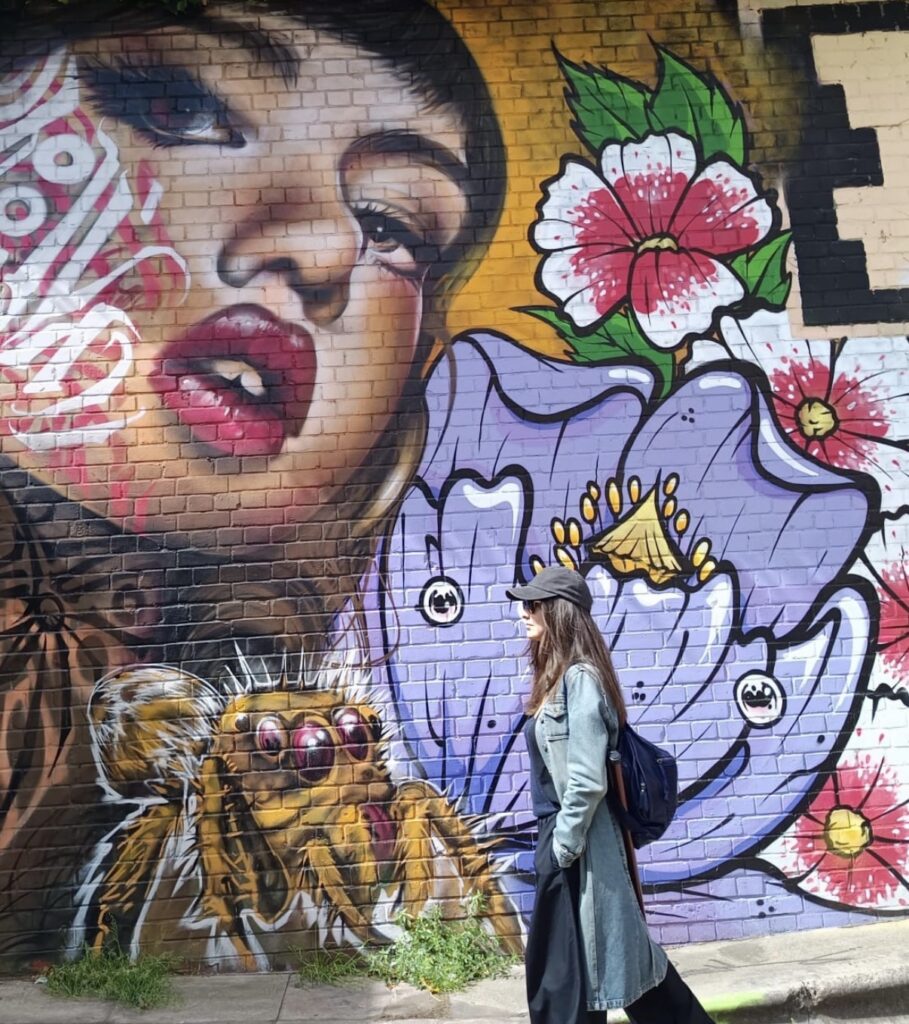
Lina enjoying a walk near graffiti artwork she enjoys
I also love to let loose both on stage and especially during rehearsals!
As someone who naturally tends to analyze and study things deeply, I’ve come to realize that this mindfulness is actually a strength. Precisely because I like to plan and think through so much, I’m certain it’s healthy—and essential—for that more intuitive, free, and spontaneous side to also come out in work that has been so carefully considered.
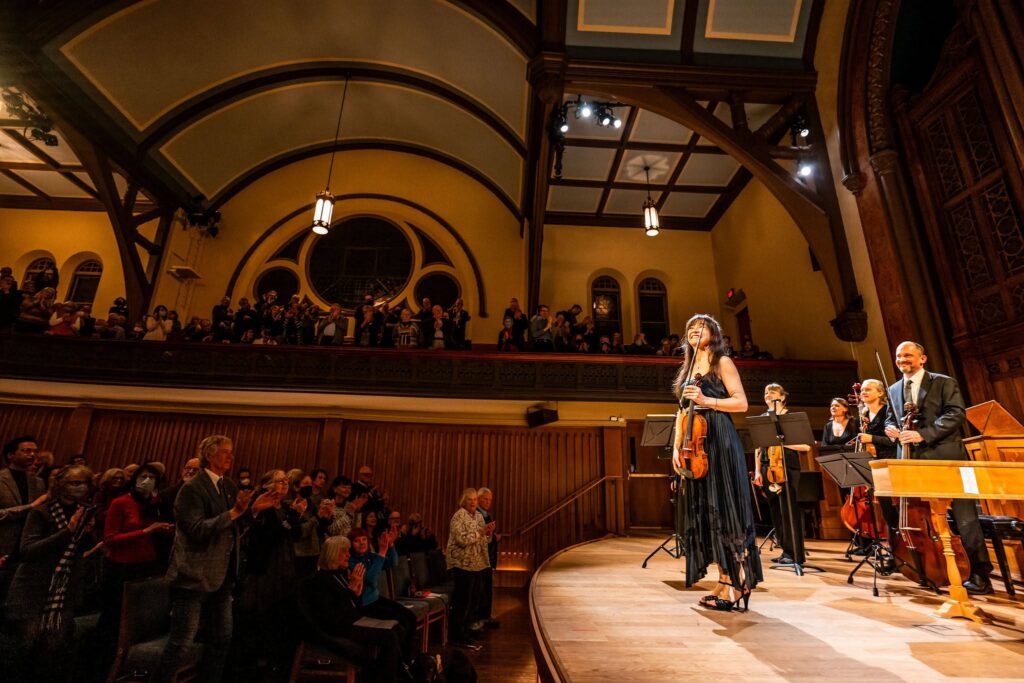
Tafelmusik and Lina Tur Bonet perform Fantasticus: Birth of the Baroque at Jeanne Lamon Hall in February 2024
Baroque Fiesta
Sparks are bound to fly when two dynamic guest artists return to our stage for a baroque music dialogue between Spain, Italy, and Latin America. Get your tickets to Baroque Fiesta now!
Oct 29– Nov 1, 2026
Jeanne Lamon Hall, Trinity-St. Paul’s Centre
