
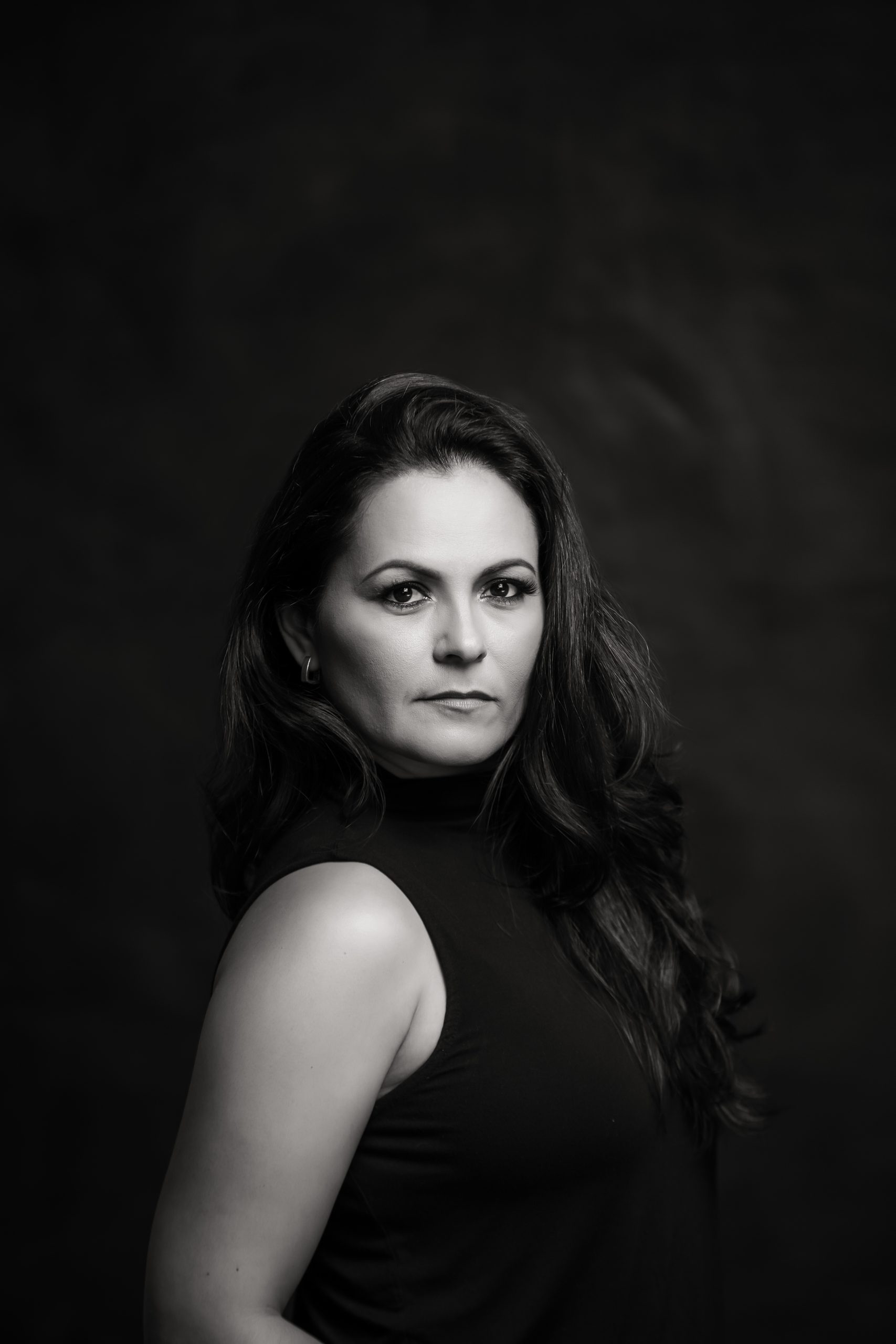
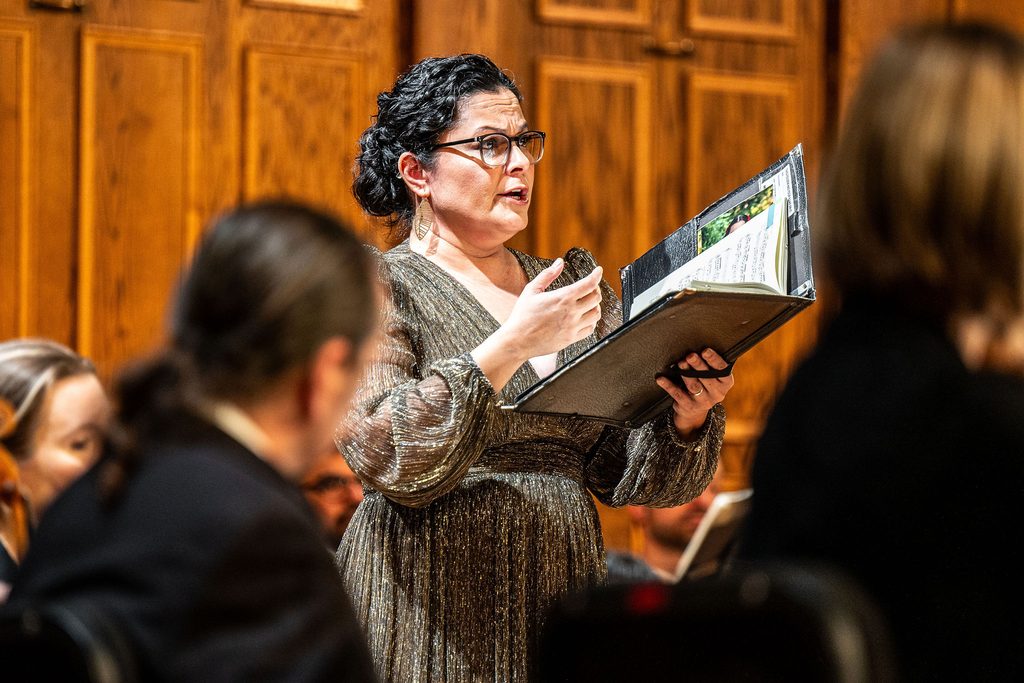
Mexican mezzo-soprano Cecilia Duarte returns to Tafelmusik after her stunning debut in Bach’s Christmas Oratorio. Duarte returns to Tafelmusik alongside gust director Lina Tur Bonet for Baroque Fiesta from Oct 29 to Nov 1 at Jeanne Lamon Hall.
Born in Chihuahua, Mexico, Cecilia Duarte is a versatile singer who has performed around the world singing a variety of music styles, with special emphasis on early and contemporary music. She has premiered roles in numerous new operas, including several for Houston Grand Opera. She is widely recognized for creating the role Renata in the Mariachi Opera Cruzar la Cara de la Luna by Martínez, produced across the US as well as in Europe and South America.
Cecilia’s early music experience includes appearances with Ars Lyrica Houston, Early Music Vancouver, Pacific Music Works, The Boston Early Music Festival, Mercury Houston, Seraphic Fire, and the Bach Collegium San Diego, among others. Recordings include her first solo album, Reencuentros, and soloist in the Grammy-winning album Duruflé: The Complete Choral Works.
In preparation for Baroque Fiesta, we spoke with Cecilia about her journey as a musician, her academic interests, and about the upcoming program. Read on to learn more about the rhythmic intensity, different themes and messaging, and the unique differences of baroque music from around the globe.
How did you first get into music, and what made you realize it was something you wanted to pursue seriously?
I come from a family of musicians, and music was always part of our every day life. It was not only classical music, but pop, rock, and Latin American folk music. I have four brothers so all of us had different tastes in music so we all had to hear what the others liked! Both my parents and my siblings had great voices, although not all of them were professional musicians, singing was a bonding aspect in our family life. I was a kid that loved to play piano, paint, act, dance, and sing. I did musical theatre during my high school years and when I had to consider my professional path, it was pretty obvious that singing was it. I was also thinking in pursuing a carrer in psychology, but music was a stronger call.
What’s one thing about you that people might be surprised to learn?
Last year in 2025 I finished a second masters degree in clinical mental health counseling, so I am also a licensed therapist with the goal of bringing mental health to our arts industry. I love so much balancing my singing career with this new addition, and love bringing it to the arts community.
What do you think audiences will find most exciting or inspiring about baroque music from Latin America?
There is definitely a different type of intensity that comes from all the rhythmic structures in the music, and also the way the different themes are portrayed, whether we are talking about the Virgin Mary, or the sadness of a broken heart, these pieces are very sophisticated through the simplicity of the message. I don’t know if it is because I am a native Spanish speaker, but I find the words to be quite attached to our humanity more than to fancy or elaborated poetry, and through that honesty, the message is twice as intense. I sure hope our audience leaves with a desire to listen to more of it!
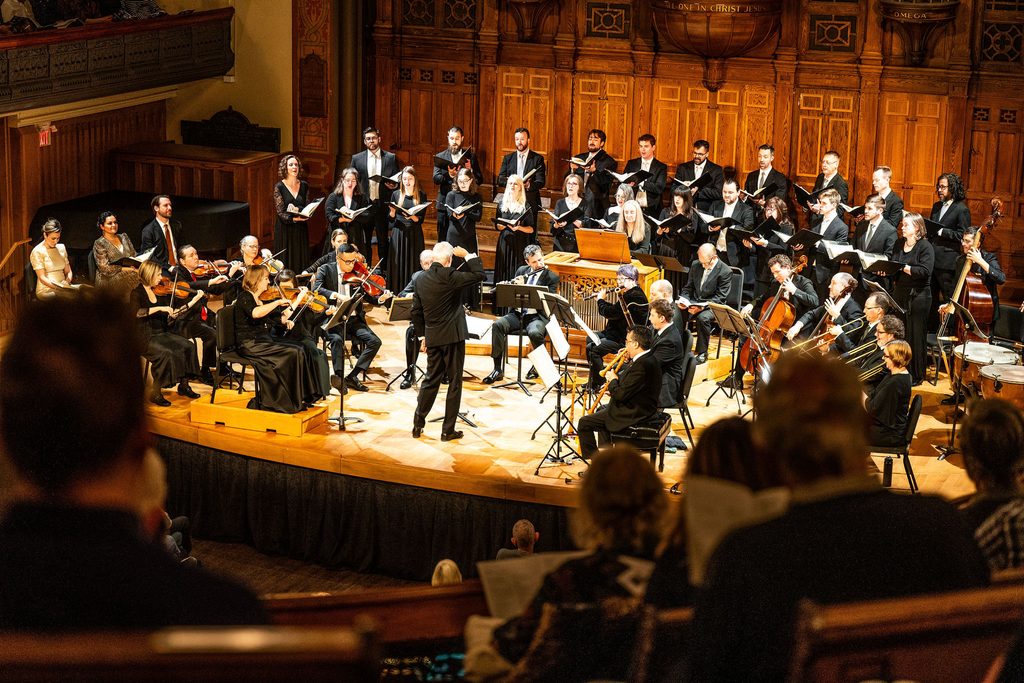
Baroque Fiesta
Sparks are bound to fly when two dynamic guest artists return to our stage for a baroque music dialogue between Spain, Italy, and Latin America. Get your tickets to Baroque Fiesta now!
Oct 29– Nov 1, 2026
Jeanne Lamon Hall, Trinity-St. Paul’s Centre
